
Blog
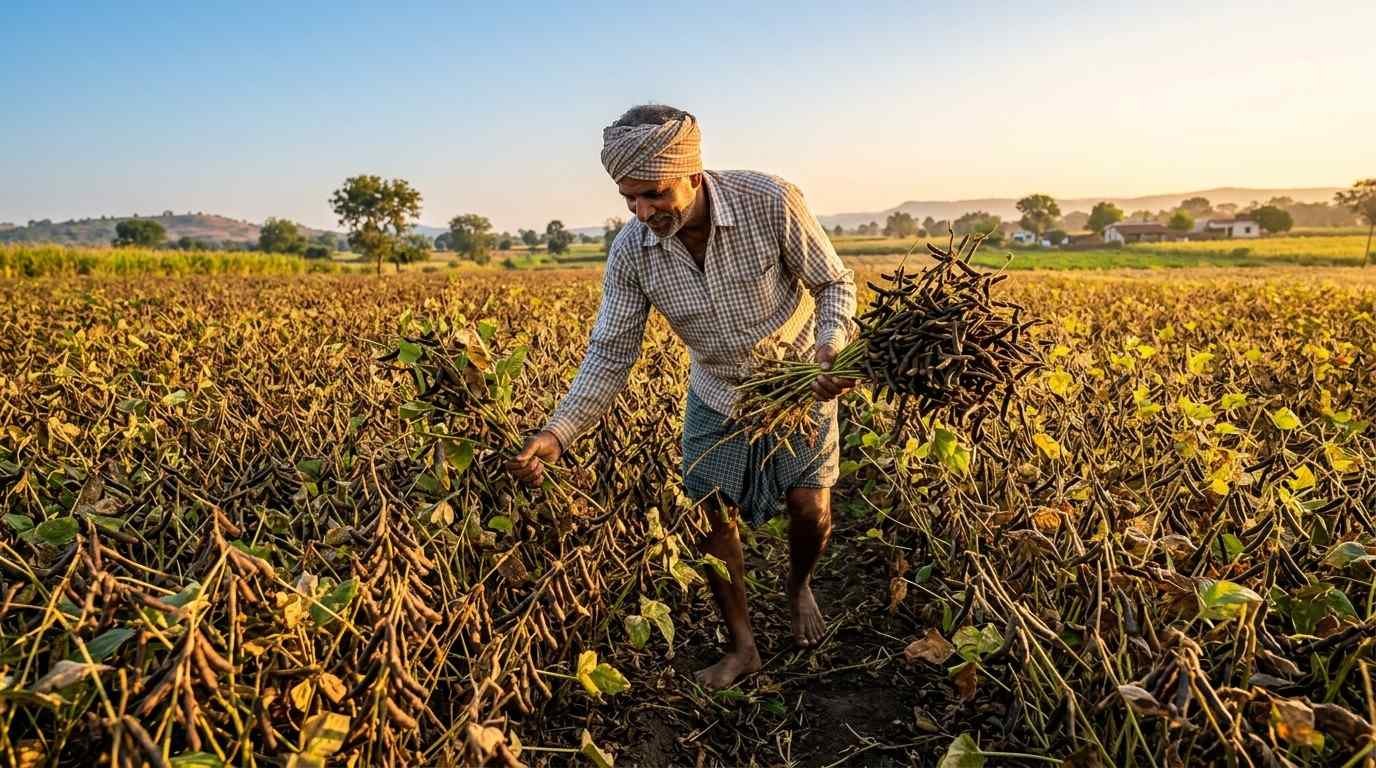
Moong Harvesting Time: When and How to Harvest for Maximum Yield in India
Moong Harvesting Time: When and How to Harvest for Maximum Yield
Introduction to Moong Harvesting
Moong is also called green gram. It is a very important pulse crop grown by farmers in India. Farmers like this crop because it grows quickly and has very good nutrition. It also helps make the soil better by adding nitrogen to it naturally. But farmers must pick the right time to harvest the crop. This means they must not cut the plants too early or too late. If they harvest too early, the seeds are not fully grown and weigh less. These seeds also do not sell for a good price in the market. If farmers wait too long to harvest, the pods can break open on their own. This causes many seeds to fall and get lost on the ground. Farmers then lose money because they have fewer seeds to sell. So, knowing the correct harvesting time is very important.
Farmers must also use the right harvesting methods when cutting the crop. This helps them get the best amount of yield and good quality grains.
Understanding the Moong Crop Growth Cycle
Germination Stage
When seeds are planted in soil with the right amount of water and warmth, they begin to sprout. This sprouting is called germination, and it usually happens within 3 to 7 days after sowing. Healthy germination gives the plant a strong start to grow well. A strong start helps the plant grow big and healthy later.
Vegetative Growth
During the vegetative phase, a plant grows its leaves, stems, and branches. This is when the plant becomes strong and healthy. Farmers must water the crop well during this time. They also need to remove weeds so the plant can grow freely. Giving the plant enough nutrients helps it grow bigger and stronger. Good care in this stage helps the plant give more crops later.
Flowering and Pod Formation
Plants usually start to flower about 30 to 40 days after they are sown, but this can change a little depending on the type of plant and the weather. Once the flowers bloom, insects or wind help carry pollen from one flower to another. This step is called pollination, and it is very important. Good pollination makes tiny pods grow on the plant. Seeds slowly grow inside these pods. Over time, the seeds become bigger and fully ripe, ready for harvest.
Maturity Stage
Plants grow and change over many days after they are planted. Most plants become fully ripe between 60 and 75 days after sowing. These are called early plants because they grow faster than others. Some plants take longer, needing 80 to 90 days to fully ripen. Farmers must watch their crops carefully during this time. Careful watching helps farmers know exactly when to harvest. This way, they can pick the crop at just the right moment for the best quality and taste.
Ideal Moong Harvesting Time
Moong plants are ready to harvest when most of their pods turn brown or black. About 80 to 90 percent of the pods should look this way, while a few remain yellow-green. At this stage, the seeds have grown to their full size and have just the right amount of moisture. Farmers should always harvest moong plants during dry, sunny weather only, because wet pods take longer to dry and can lower the quality of the grain. It is also best to harvest early in the morning or in the evening. This is because the weather is cooler then, and cool air helps stop the pods from bursting open and losing their seeds.
Signs That Moong is Ready for Harvest
|
Harvest sign |
What it indicates |
|
Pods turn brown/black |
Crop is mature |
|
Leaves dry and fall |
Plant has completed growth |
|
Seeds become hard |
Full grain development |
|
Pods rattle |
Moisture is low |
|
Seed moisture reduces to safe harvesting levels |
Crop is ready for harvest |
Several visible indicators help determine the right harvesting time:
- Most pods become dark brown or black.
- Leaves begin drying and naturally fall from the plant.
- Seeds become hard and develop their characteristic green color.
- Pods produce a rattling sound when shaken.
- Plant moisture decreases significantly.
These signs indicate that the crop has reached optimum maturity.
Best Season to Harvest Moong in India
Harvest timing depends on the sowing season.
|
Season |
Sowing time |
Harvesting time |
|
Kharif Moong |
June–July |
August–September |
|
Summer Moong |
March–April |
May–June |
|
Rabi Moong (Selected Regions) |
October–November |
January–February |
Regional climate and the chosen variety may slightly alter these timelines.
How to Harvest Moong Properly
Manual Harvesting
Small and medium-scale farmers often harvest manually using sickles.
Steps include:
- Cut plants near the base.
- Bundle harvested plants.
- Leave bundles to dry in the field for 2–3 days.
- Thresh the dried plants carefully to separate seeds.
- Clean the harvested grains before storage.
Manual harvesting minimizes mechanical damage and is suitable where labor is available.
Mechanical Harvesting
Larger farms frequently use combine harvesters or reapers.
Mechanical harvesting offers:
- Faster field operations.
- Reduced labor costs.
- Improved efficiency during peak harvest periods.
- Timely crop removal before unexpected rainfall.
Machines should be adjusted correctly to minimize grain breakage and harvesting losses.
Post-Harvest Handling and Drying
Freshly harvested seeds contain residual moisture that must be reduced before storage.
Important practices include:
- Spread seeds in a thin layer under sunlight.
- Turn seeds periodically for uniform drying.
- Protect grains from unexpected rain.
- Dry until seed moisture reaches approximately 10–12%.
Proper drying significantly reduces fungal infections and storage losses.
Storage Tips to Maintain Seed Quality
After drying, store moong under clean and dry conditions.
Recommended storage practices include:
- Use moisture-proof bags or airtight containers.
- Store in cool, ventilated warehouses.
- Keep bags away from direct contact with floors and walls.
- Inspect regularly for insects and fungal growth.
- Maintain low humidity inside storage facilities.
Proper storage preserves seed viability and market quality for extended periods.
Common Harvesting Mistakes to Avoid
Many farmers unknowingly reduce their yield due to avoidable errors.
Common mistakes include:
- Harvesting immature crops.
- Delaying harvest after pod maturity.
- Threshing excessively dry pods, leading to grain breakage.
- Storing grains with high moisture content.
- Ignoring pest infestation during storage.
Avoiding these mistakes helps maintain both quality and profitability.
Factors Affecting Moong Yield During Harvest
Several environmental and management factors influence final yield.
These include:
- Rainfall during maturity.
- High wind causing pod shattering.
- Delayed harvesting.
- Variety selection.
- Soil fertility.
- Irrigation management.
- Pest and disease incidence.
- Harvesting method.
Proper planning minimizes harvest losses and maximizes returns.
Benefits of Timely Harvesting
Harvesting moong at the right stage offers several advantages.
- Higher grain yield.
- Better seed size and weight.
- Improved market price.
- Lower storage losses.
- Reduced pod shattering.
- Better seed germination for future planting.
- Enhanced overall farm profitability.
Timely harvesting is one of the simplest yet most effective ways to improve production.
Frequently Asked Questions (FAQs)
How many days does moong take to mature?
Moong plants usually take about 60 to 90 days to fully mature, depending on the variety grown and the weather conditions in the area.
How do I know when moong is ready to harvest?
Moong is ready to harvest when 80 to 90 percent of its pods turn brown or black, while a few pods are still yellow-green. The seeds will feel firm and fully grown at this stage.
Can moong be harvested after rain?
It is better to avoid harvesting moong right after rain. Wet pods have extra moisture, which makes drying harder and can lower the quality of the seeds. Farmers should wait for dry weather before harvesting.
What is the ideal moisture content for storage?
For safe storage, moong seeds should have a moisture content of around 9 to 10 percent. This keeps the seeds from spoiling or getting attacked by fungus and pests.
What happens if harvesting is delayed?
If harvesting is delayed, the dry pods can burst open on their own and spill the seeds onto the ground. This is called shattering, and it can cause a big loss of grain for the farmer.
Conclusion
Picking moong beans at the right time is very important for farmers. When farmers wait for the pods to turn dark brown or black, they know the beans are ready. Farmers should pick the pods before they burst open and drop seeds. After picking, the beans need to dry well in the sun. Dry beans should be stored in a clean, dry place away from bugs.
Farmers grow moong in different seasons like Kharif, Summer, and Rabi. Picking at the right time gives more beans and better quality. This simple step helps farmers earn more money every year.
Getting a good harvest starts with picking the right seeds before planting. Farmers who want strong, healthy crops can try AR Green Gold Moong Seeds and AR Super Gold Moong Seeds. These seeds grow well and fight off plant diseases easily. They help farmers get more moong beans from their fields. With good care and the right weather, these seeds can grow into strong, healthy plants. Choosing good seeds is one of the smartest steps a farmer can take.

Leave a comment


Comments(0)